
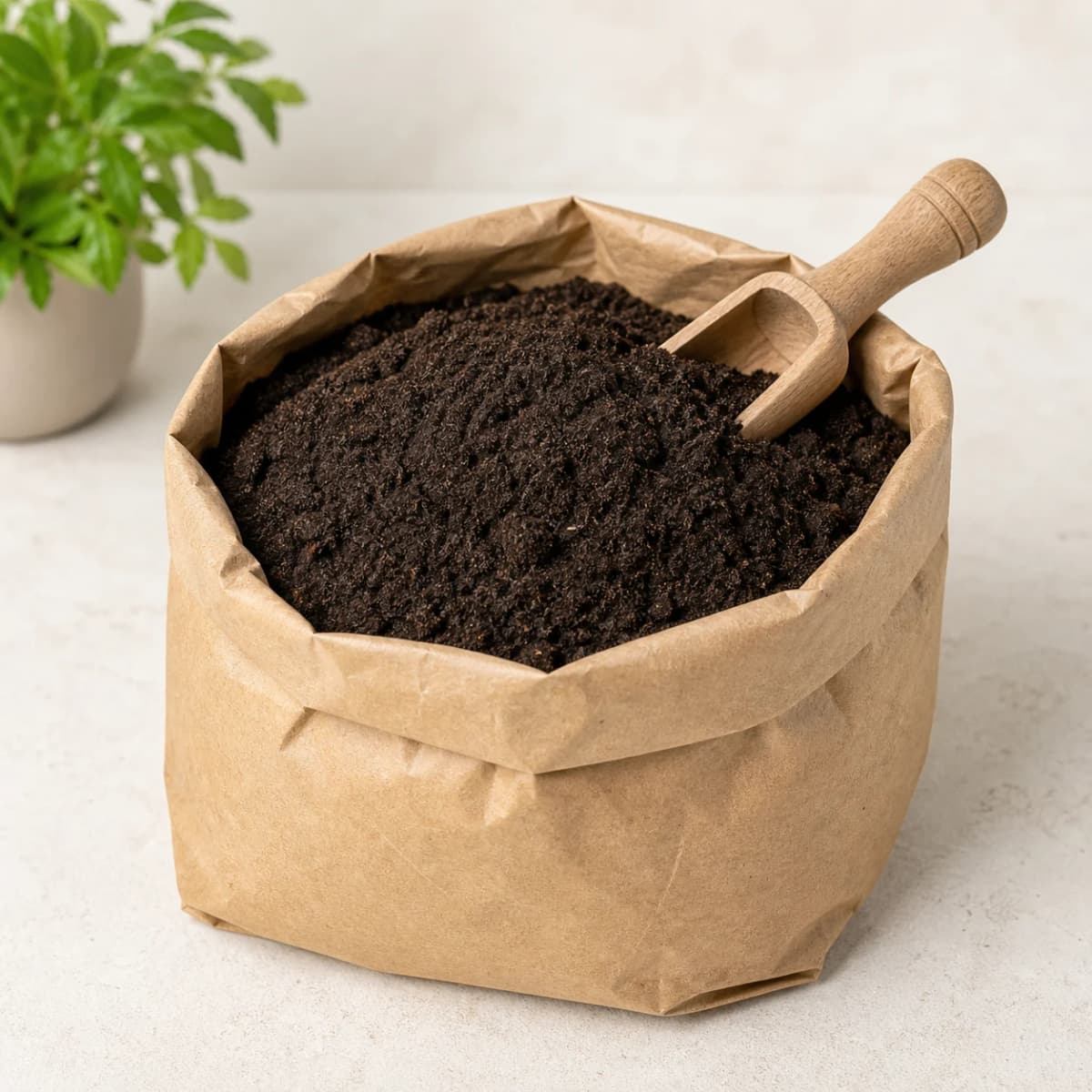
Organic compost for plants is a natural soil conditioner that improves texture, supports helpful soil life, holds moisture better, and releases nutrition slowly around the root zone. For home gardens, pots, vegetables, flowers, and terrace beds, a well-finished compost or vermicompost can make weak soil easier for plants to grow in.
Good plant growth does not come from one input alone. Plants need light, water, drainage, the right pot size, and balanced nutrition. Compost helps by improving the soil environment around the roots, especially when the soil is tired, sandy, compacted, or low in organic matter.
At Growee, the compost and manure collection is meant for gardeners who want practical organic soil support, not confusing jargon. If you are comparing products, start with Premium Vermicompost for everyday soil improvement, then look at Bio Fusion Organic Fertilizer when plants need stronger organic nutrition support.
What Organic Compost Does for Plants
Compost works mainly through the soil. Instead of acting like a quick chemical boost, it improves the growing medium so roots can breathe, take up nutrients, and stay active for longer.
The main benefits are simple:
- It adds organic matter that helps loose soil hold more moisture.
- It can make heavy soil feel more open and easier to work with.
- It supports microbial activity in the root zone.
- It slowly contributes plant nutrition as it breaks down further.
- It helps reduce dependence on harsh inputs when used as part of a balanced garden routine.
For Indian home gardens, compost is especially useful in balcony pots, terrace grow bags, vegetable beds, flowering plants, and soil that has been reused for many growing cycles. It is not a magic cure for every plant problem, but it is one of the most useful foundations for healthy soil.
Compost, Vermicompost, Manure, and Bio Fusion
These terms are often used together, but they are not always the same.
Compost is decomposed organic material used to improve soil structure and fertility. It is useful before planting, during repotting, or as a light top dressing around existing plants.
Vermicompost is compost processed with the help of earthworms. It is usually fine-textured, easy to mix into potting soil, and popular for vegetables, herbs, flowers, and terrace gardens. If you want a clean, convenient option for regular home garden use, Growee Premium Vermicompost is the closest product match. The liquid vermicompost extract option is Growee's vermiwash, mixed at 50 ml per litre for a soil drench or foliar spray. Dilution, timing and plant groups are set out in the guide on how to use vermiwash.
Organic manure is a broader term and may include composted animal or plant-based material. It should be well decomposed before use. Fresh or unfinished manure can smell, attract pests, or damage plants.
Bio Fusion Organic Fertilizer is better suited when you want added organic plant nutrition support beyond basic soil conditioning. Use it as a complementary product, not as a replacement for good soil, drainage, and watering.
How Much Compost Should You Use?
The right amount depends on the plant, pot size, soil condition, and growing stage. Start conservatively and increase gradually if the soil is poor.
For potted plants, mix a small handful into the top layer of soil for routine maintenance, or blend compost into the potting mix during repotting. Avoid packing too much organic matter into a small pot because roots still need air and drainage.
For vegetables and herbs, compost is useful before planting and again as a light top dressing during active growth. Leafy vegetables, tomatoes, chillies, coriander, mint, and seasonal herbs usually respond well to soil that stays loose and rich in organic matter.
For flowering plants, compost can support better root health and steady growth. Apply it around the soil surface, keep it away from direct contact with soft stems, and water lightly after adding it.
For terrace gardens and grow bags, compost helps revive soil that has been reused. Mix it evenly rather than leaving a thick wet layer on top. If the soil has become compacted, loosen it first so water can move through properly.
How to Apply Compost Safely
Use finished compost only. It should look dark, earthy, and broken down. If it smells sour, feels hot, or contains recognizable fresh waste, let it mature before using it around plants.
Follow a simple process:
- Loosen the top layer of soil without damaging roots.
- Add a modest layer of compost or vermicompost around the plant.
- Mix it gently into the top soil where possible.
- Water lightly so the compost settles into the root zone.
- Repeat only when the soil looks depleted or plants are actively growing.
For new pots, mix compost into the growing medium before planting. For old pots, use it as a top dressing. For weak soil, combine compost with better drainage, the right sunlight, and a sensible watering routine.
Avoid over-application. Too much compost can make a pot stay wet for too long, especially in shaded balconies or during rainy weather. If leaves yellow suddenly after adding any soil input, check drainage and watering before adding more products.
Best Uses in Home Gardens
Organic compost is a good fit for most home garden situations where the soil needs structure and slow support.
Use it for vegetables when you want healthier soil before sowing or transplanting. Use it for flowers when the potting mix has become dry, hard, or low in organic matter. Use it for indoor and balcony plants in small amounts, because indoor pots dry more slowly and need careful watering.
For terrace gardens, compost helps keep grow-bag soil productive through multiple cycles. It can be added between crops, after harvesting, or before planting the next batch of vegetables. If you are setting up a new terrace garden, pair compost with the right containers, drainage, and basic tools from Growee's gardening equipment range.
To compare this pot-and-grow-bag advice with production for buyers, the commercial farming explainer covers soil-input planning at farm scale.
For Punjab growers considering a wider soil transition, the organic farming in Punjab guide discusses soil tests, compost and vermicompost alongside water and market planning.
When to Choose Growee Vermicompost
Choose Growee Premium Vermicompost when you want an easy organic soil conditioner for regular plant care. It is suited for gardeners who want to improve soil naturally without guessing between too many products.
It is a practical choice if:
- Your pots dry out too quickly or feel lifeless.
- You are repotting vegetables, herbs, or flowers.
- You want a cleaner option than loose local manure.
- You are preparing terrace garden beds or grow bags.
- You want to improve soil before using other nutrition products.
If your plants also need targeted organic nutrition support, compare it with Bio Fusion Organic Fertilizer. If you are still unsure, contact Growee before ordering and ask which option fits your plant type and growing setup.
FAQs About Organic Compost for Plants
Is organic compost good for all plants?
Organic compost is useful for most garden plants when it is mature and used in the right quantity. Use less for small indoor pots, succulents, and plants that dislike wet soil. Use more carefully for vegetables, flowers, terrace beds, and reused garden soil.
Is vermicompost better than normal compost?
Vermicompost is often easier to use in pots because it is fine, rich, and convenient to mix. Normal compost can also be useful if it is fully decomposed. For home gardeners who want a ready product, vermicompost is usually the simpler choice.
Can I use compost for vegetables?
Yes. Compost is useful for vegetable beds, herbs, and grow bags because it improves soil condition before and during the growing cycle. Mix it into the soil before planting, then add small top dressings as the plants grow.
How often should compost be added to plants?
For most home plants, add small amounts during repotting, before a new growing season, or when soil looks depleted. Do not add compost every few days. Watch the plant, soil moisture, drainage, and season before repeating.
Can too much compost harm plants?
Yes, too much compost can make soil heavy, overly wet, or poorly drained in small pots. Use moderate amounts, mix it well, and avoid burying stems under a thick layer.
Buy Organic Compost and Vermicompost from Growee
If you want healthier soil for pots, vegetables, flowers, and terrace gardens, start with Growee's compost and manure collection. Choose Premium Vermicompost for everyday organic soil improvement, compare organic fertilizers for additional plant nutrition, or contact us for help choosing the right product for your garden.